 EN
EN AR
AR BG
BG FR
FR EL
EL JA
JA KO
KO PT
PT RO
RO RU
RU ES
ES TL
TL ID
ID LV
LV LT
LT SR
SR UK
UK VI
VI TH
TH TR
TR FA
FA MS
MS SW
SW BE
BE AZ
AZ KA
KA UR
UR BN
BN KM
KM LO
LO MN
MN NE
NE SO
SO MY
MY KK
KK TG
TG UZ
UZ AM
AM KU
KU PS
PS
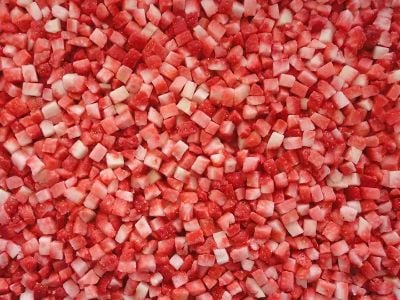
How to Balance Frozen Produce in Daily Catering Operations
Frozen produce is a practical and efficient way to add nutrition, flavor, and convenience to catering menus. It helps reduce preparation time, minimizes waste, and ensures a consistent supply of ingredients throughout the year. Whether you're working with vegetables or fruits such as frozen strawberry products, incorporating frozen ingredients into your catering operation can improve both efficiency and menu quality. The key is understanding how to use them properly to maintain great taste, texture, and presentation.
How to Get the Best Results from Frozen Produce in Daily Catering
To get the most value from frozen produce, start by selecting varieties that suit your menu. Frozen peas, carrots, broccoli, and other vegetables can bring color, texture, and nutritional value to a wide range of dishes. Similarly, fruits such as strawberry fruit can be used in desserts, smoothies, sauces, and breakfast offerings.
Proper cooking techniques are essential. Overcooking frozen vegetables can make them soft and unappealing, while gentle steaming or quick sauteing helps preserve their texture, color, and nutrients. Combining different vegetables can create attractive and flavorful dishes that appeal to customers.
Planning ahead is also important. By forecasting menu requirements, catering teams can thaw only the amount needed, reducing waste while maintaining product quality. Rotating different frozen vegetables and fruits throughout weekly menus keeps offerings fresh and interesting for guests.
How to Maintain Consistent Quality in Frozen Produce Supply
Consistency is one of the biggest advantages of frozen produce. Ingredients are typically harvested at peak ripeness and frozen quickly to preserve flavor, texture, and nutritional value. Proper storage is critical to maintaining these benefits.
Frozen products should be stored at the recommended temperature to prevent freezer burn and quality deterioration. Regular inventory checks help identify damaged packaging or products that have exceeded their recommended storage period.
Staff training is equally important. Employees should understand proper handling, thawing, and cooking procedures to ensure every dish meets quality standards. Customer feedback can also provide valuable insights into which menu items are most successful and where improvements can be made.
Tips for Balancing Flavor and Nutrition with Frozen Produce
Frozen produce offers an excellent balance of convenience and nutrition. To maximize both flavor and health benefits, use a variety of colorful vegetables and fruits in your recipes. Different colors often represent different nutrients, creating more balanced and visually appealing dishes.
Cooking methods such as steaming, roasting, and light sauteing help retain nutrients while enhancing natural flavors. Frozen vegetables can be incorporated into pasta dishes, soups, stir-fries, casseroles, and salads. Meanwhile, strawberry ingredients can add natural sweetness and vibrant color to desserts, yogurt parfaits, beverages, and fruit-based sauces.
Seasoning also plays an important role. Simple additions such as herbs, spices, citrus juice, or light dressings can enhance flavor without compromising nutritional value.
Where Can Catering Businesses Buy Frozen Produce in Bulk?
Purchasing frozen produce in bulk can help catering companies reduce costs while ensuring a reliable ingredient supply. Wholesale food distributors often offer competitive pricing and a broad selection of products suitable for catering operations.
When selecting a supplier, look for companies that prioritize quality and use rapid freezing techniques to preserve freshness. Reading customer reviews and requesting product samples can help evaluate consistency and reliability.
Online wholesale suppliers are another convenient option, providing access to a wide variety of frozen vegetables and fruits. Before purchasing, consider expected guest numbers and menu requirements to determine appropriate order quantities. Maintaining proper freezer storage conditions will help preserve product quality until it is ready to be used.
How Can Seasonal Frozen Produce Enhance Catering Menus?
Seasonal frozen produce allows catering businesses to offer variety throughout the year without being limited by harvest schedules. Because produce is frozen at peak freshness, seasonal flavor and nutritional value can be enjoyed long after the growing season ends.
Summer-inspired menus may feature corn, green beans, zucchini, and frozen strawberry ingredients, while colder months can highlight root vegetables, squash, and hearty vegetable blends. Seasonal ingredients work well in soups, stews, side dishes, salads, and appetizers.
Simple preparation methods often produce the best results, allowing the natural flavors of the ingredients to stand out. By incorporating seasonal frozen produce into catering menus, businesses can create appealing dishes that deliver both quality and convenience while meeting customer expectations year-round.